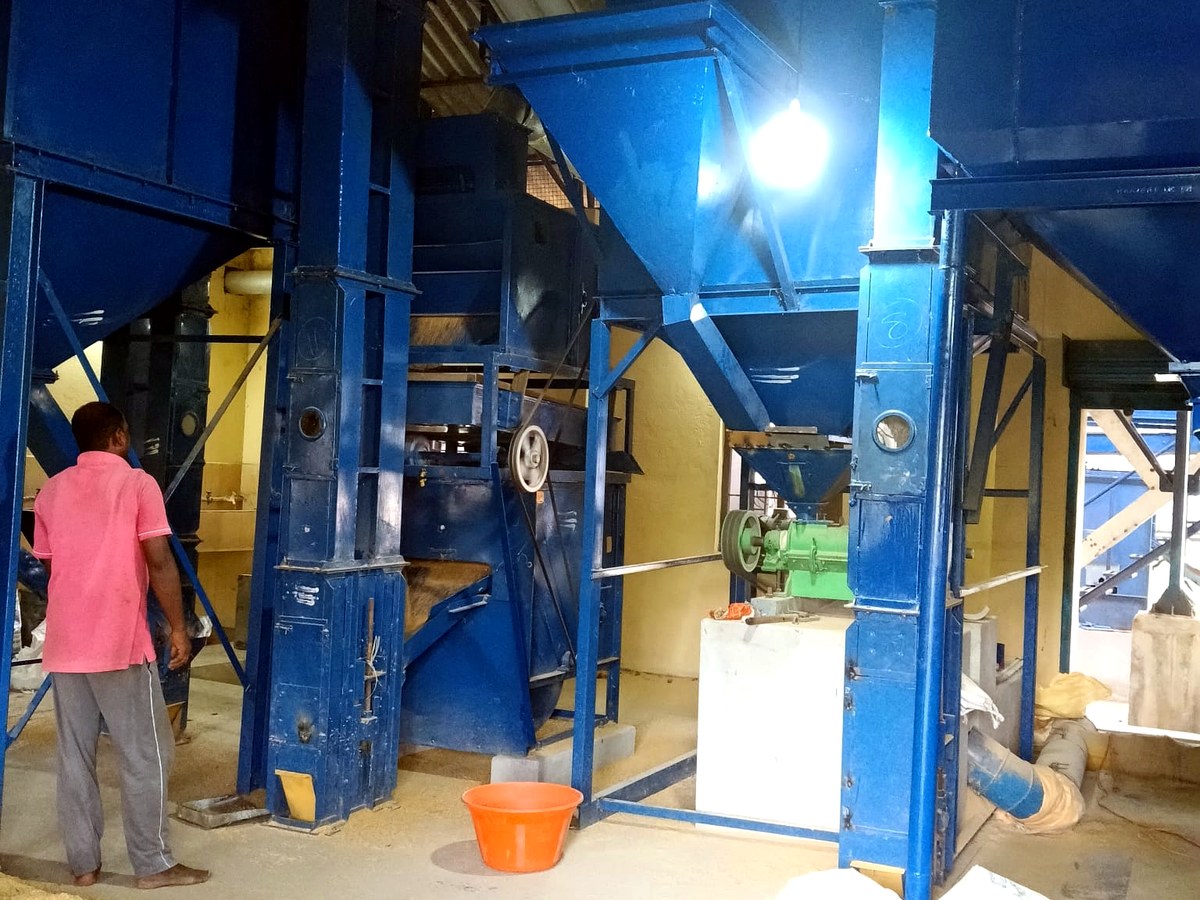
How paddy becomes the rice on your plate — every step done in-house at our Kulikkarai mill.
We procure paddy from our own land and from farmers around Tiruvarur. Buying at the source means we know the variety, the harvest and the quality before a single grain enters the mill — and our farmers get a fair, direct buyer.
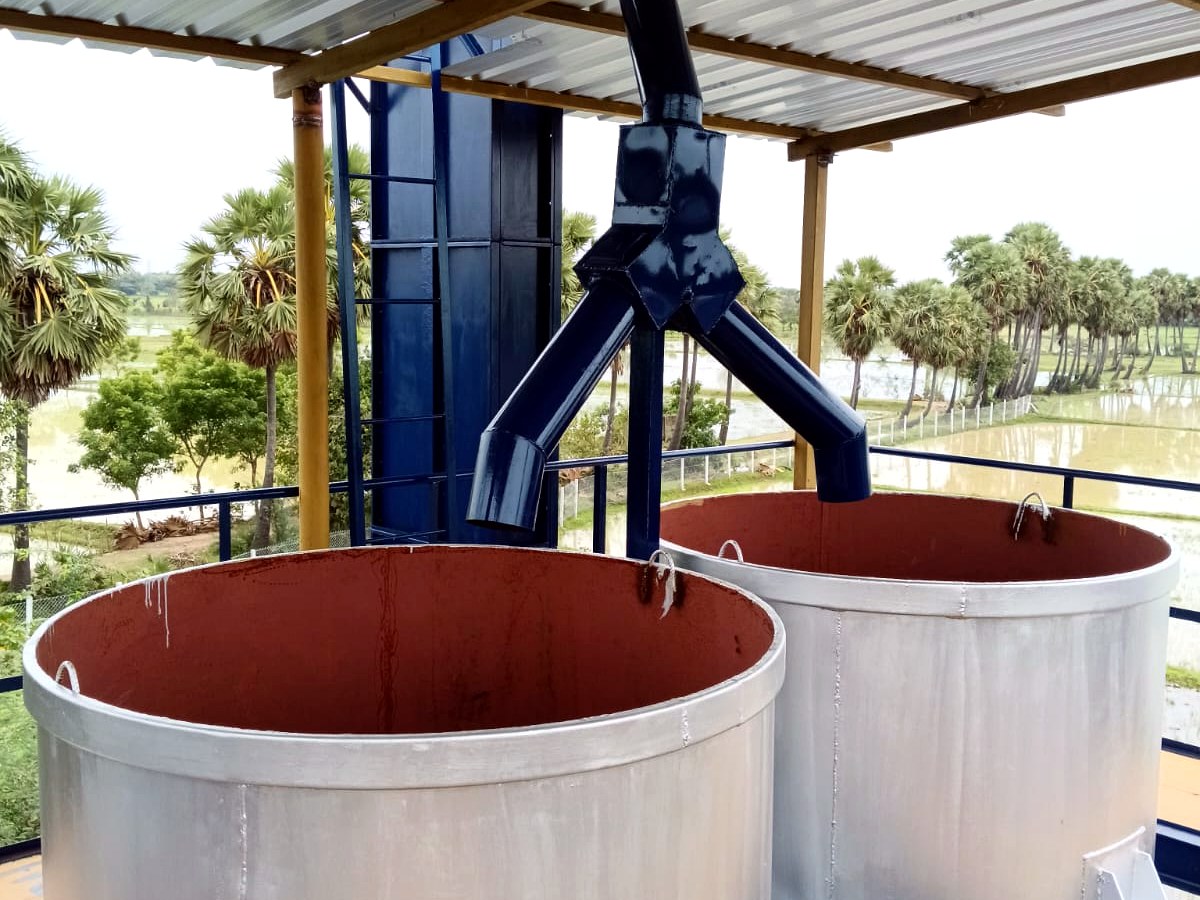
Grown in the Cauvery delta around Kulikkarai, harvested and brought straight to our mill.
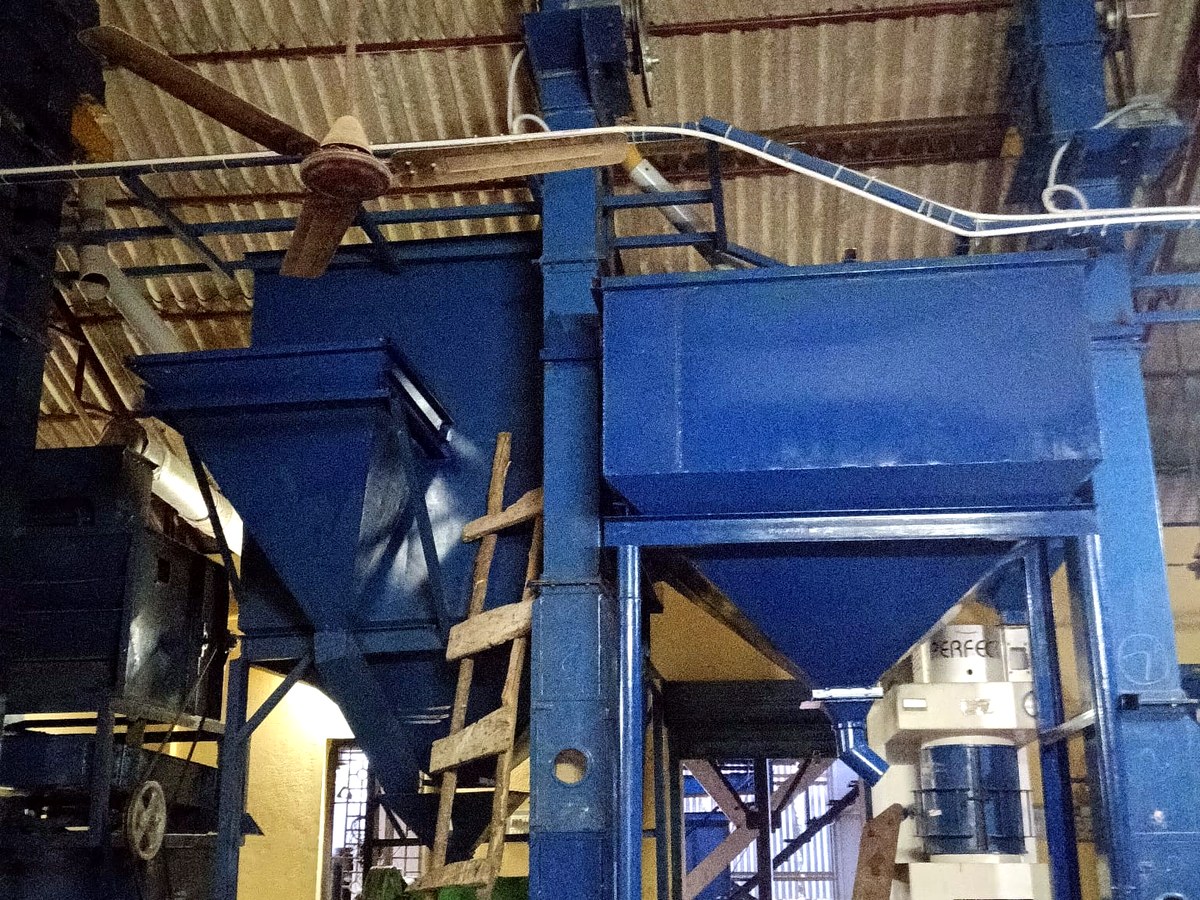
We buy from farmers in and around Tiruvarur, keeping the supply chain short and local.
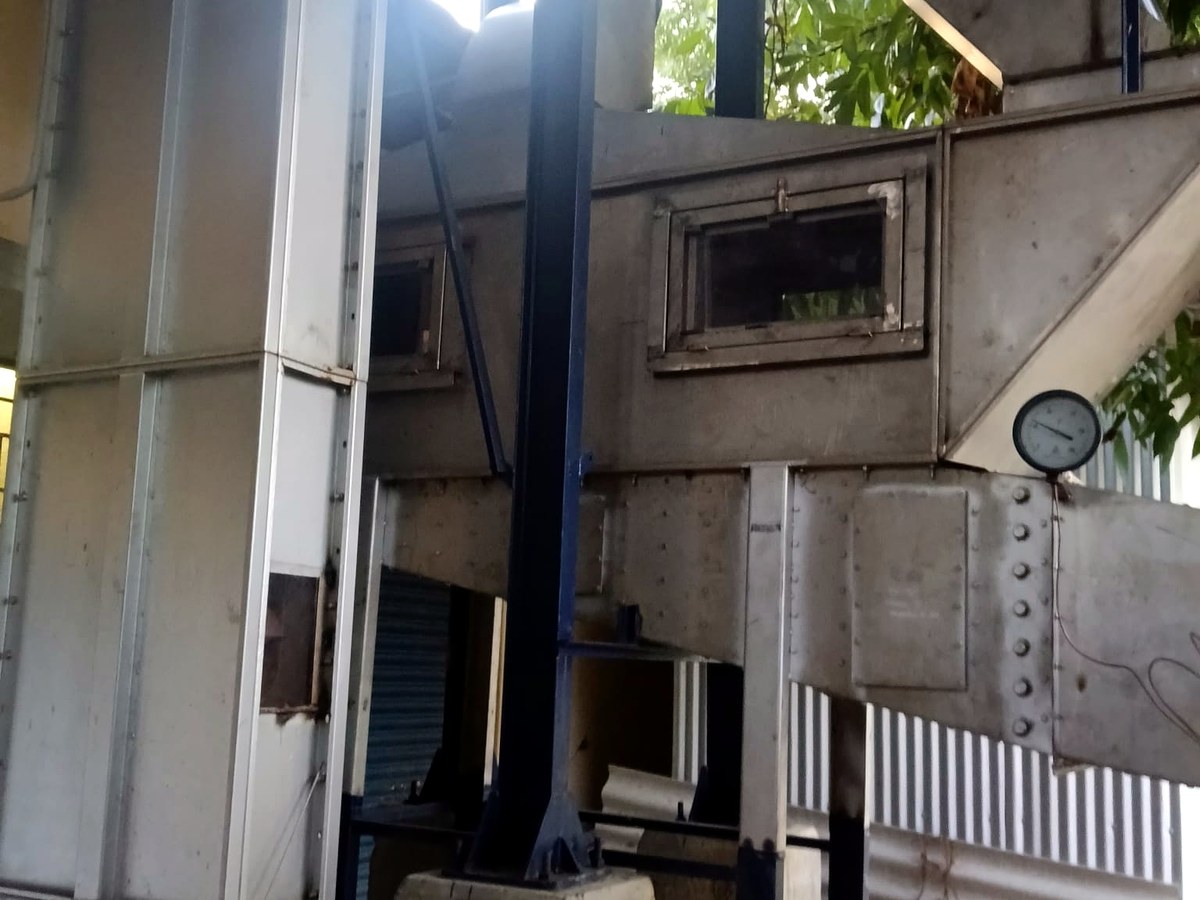
Cleaning to packing — all nine steps below happen in our own plant, so nothing is outsourced and nothing is hidden.
Removes large impurities and stones. Raw paddy arrives from the fields containing straw, soil, weed seeds, and stones. It is passed through a series of oscillating sieves and aspiration fans to remove lightweight dust and large debris. Finally, a specific gravity de-stoner vibrates the grain to separate out heavy stones and pebbles.
Crucial for producing parboiled (boiled) rice varieties. If the facility is producing parboiled rice (commonly used for traditional South Indian meals and batter), the cleaned paddy undergoes a three-step hydrothermal process: soaking in water, pressure steaming, and drying. This hardens the grain, driving nutrients from the bran into the endosperm, which reduces breakage during milling.
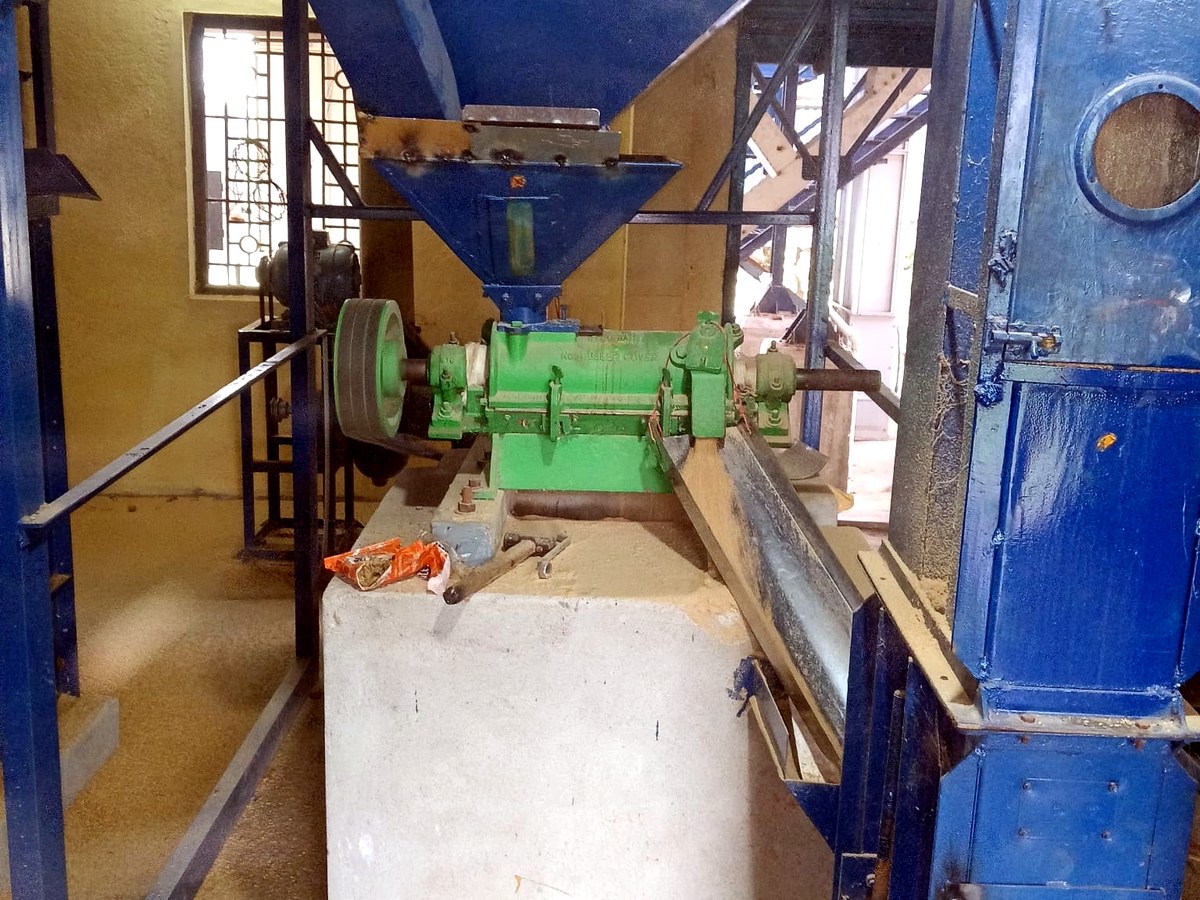
The cleaned (and optionally dried) paddy is passed through rubber-roll huskers. Two rubber rollers spinning at different speeds apply friction to the paddy, cracking and stripping away the rough outer husk. The output at this stage is a mixture of brown rice, loose husks, and some unhusked paddy.
Air aspirators blow away the lightweight loose husks (which are often sent to a boiler to generate steam or electricity for the mill). The remaining mix goes to a paddy separator, which uses oscillating trays to separate the heavier unhusked paddy from the lighter brown rice. The unhusked paddy is looped back to the de-husker.
The brown rice passes through abrasive whitening machines. Conical or cylindrical grinding stones gently rub the grains against each other and the machine's screens to scrape off the bran layer. This turns the brown rice into white rice. The removed bran is collected and sold for animal feed or rice bran oil extraction.
Improves shelf life and appearance. The whitened rice is passed through a friction polisher. A fine mist of water is injected into the milling chamber while rotating leather or rubber rollers buff the grains. This removes any remaining bran dust, giving the rice a smooth, shiny, and premium “silky” finish.
Because some grains break during milling, the polished rice passes through a series of oscillating indented screens. This machine separates the rice into different grades: Head Rice (whole grains), Large Brokens, and Small Brokens.
The graded whole rice flows down high-speed chutes past optical cameras or lasers. If the sensors detect a discolored, yellow, chalky, or damaged grain, a precise blast of compressed air instantly shoots the defective grain out of the stream. This ensures every grain in the final batch is uniform in color.
The finished, sorted rice is sent to automated bagging scales. The machine drops exact weights (e.g. 5 kg, 10 kg, 25 kg) into bags, auto-stitches or heat-seals them, and drops them onto a conveyor belt for shipping and distribution.
Call us or send a WhatsApp message with the rice you need and the quantity — we will confirm availability and the best price for the day.
📞 +91 99422 13321 💬 WhatsApp Us Reach Us